Protecting Your Home During Summer Storms
Summer storms can move in fast, bringing heavy rain, strong wind, hail, and sudden power outages. In Chicago, where lakefront weather and suburban storm cells can change quickly, a little preparation can prevent costly damage and stressful storm clean up later.

Check the outside before storms arrive
Start with the places wind and water hit first.
Clean gutters and downspouts so water can move away from the roofline. If they clog, rain can spill over the edge and pool near the foundation. Extend downspouts several feet from the house when possible.
Look at the roof from the ground. Missing shingles, loose flashing, and sagging gutters can become bigger problems during a storm. Do not climb onto a wet or damaged roof. Call a professional if something looks unsafe.
Trim weak branches near the house, garage, driveway, and power lines. Wind can turn dead limbs into serious hazards.

Protect against basement water
Heavy rain can overwhelm yards, window wells, and old drainage systems.
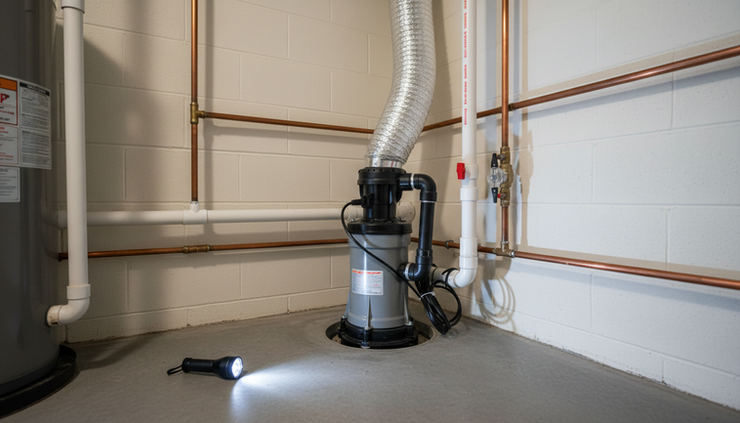
Before storm season, test your sump pump by pouring water into the pit and making sure it turns on. If the home has a battery backup, check that too. Move valuables, cardboard boxes, and electronics off basement floors.
For finished basements, keep a small kit nearby with towels, a wet-dry vacuum, gloves, and plastic storage bins. Acting early can limit damage.
Prepare for outages and flying debris
Bring patio furniture, umbrellas, grills, toys, and planters inside or secure them before high winds arrive. Close windows tightly and avoid standing near glass during severe weather.
Keep flashlights, batteries, phone chargers, bottled water, and basic first aid supplies in one easy-to-reach place. If power goes out, use generators only outdoors and away from windows.
Inspect carefully after the storm
Once conditions are safe, walk the property and take photos of damage. Look for roof debris, broken branches, loose siding, standing water, and water stains indoors. Avoid downed wires and flooded electrical areas.

The best storm plan is simple: clear water paths, secure loose items, protect the basement, and inspect early. A few calm-weather tasks can make the next summer storm far less damaging.


Comments